

Wood Staining in Fort Worth, Texas
WHAT WE DO
Freshly built decks made from pressure-treated pine often hold too much moisture to accept stain, and a quick test tells the story: sprinkle water on the boards, and if it beads instead of soaking in, the wood needs more time. JG Painting 88 reads those signs before opening a can. Our wood staining service in Fort Worth, Texas covers decks, fences, pergolas, interior trim, doors, and stair rails, using cleaning, sanding, and the right stain opacity to protect and highlight every board.
WHERE WE INSTALL
Decks and Fences That Face the Full Texas Sun
Long stretches of triple-digit heat and intense UV turn unprotected cedar and pine gray within a season or two, while hail and spring storms soak boards that then bake dry in the afternoon. That cycle opens checks and splits. Backyards in Fort Worth, Texas, Irving, Texas, and nearby communities are full of board-on-board cedar fences, pressure-treated decks, and covered patios that need regular recoating. Inside, we stain oak stair treads, pine doors, and trim packages in older homes and new construction across the area.
Wood Staining Work We Handle
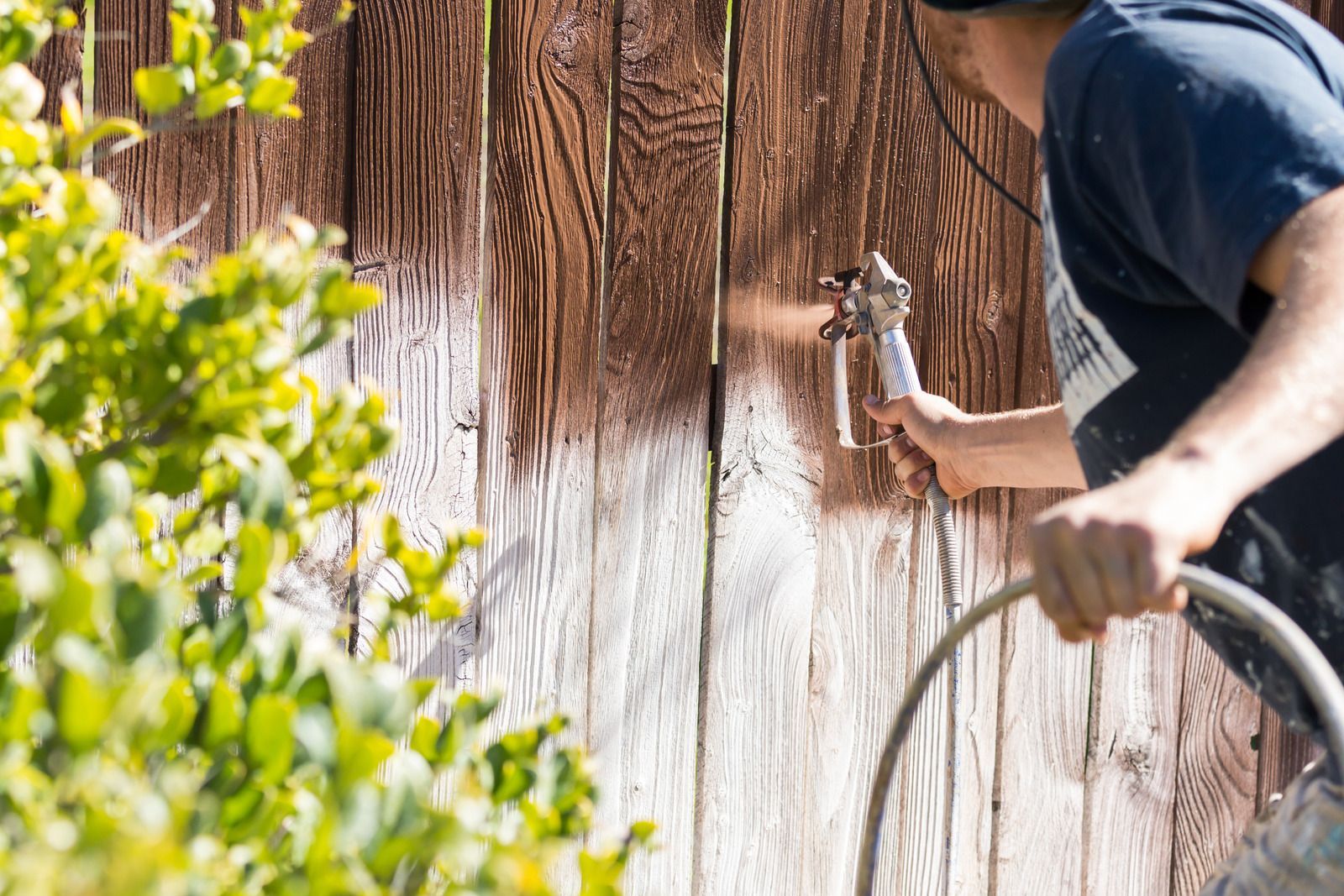
Outdoor structures and indoor woodwork both benefit from stain that soaks in and protects, and these are the projects we handle most often, each prepared and coated to suit the wood and its exposure.
01
Deck Staining
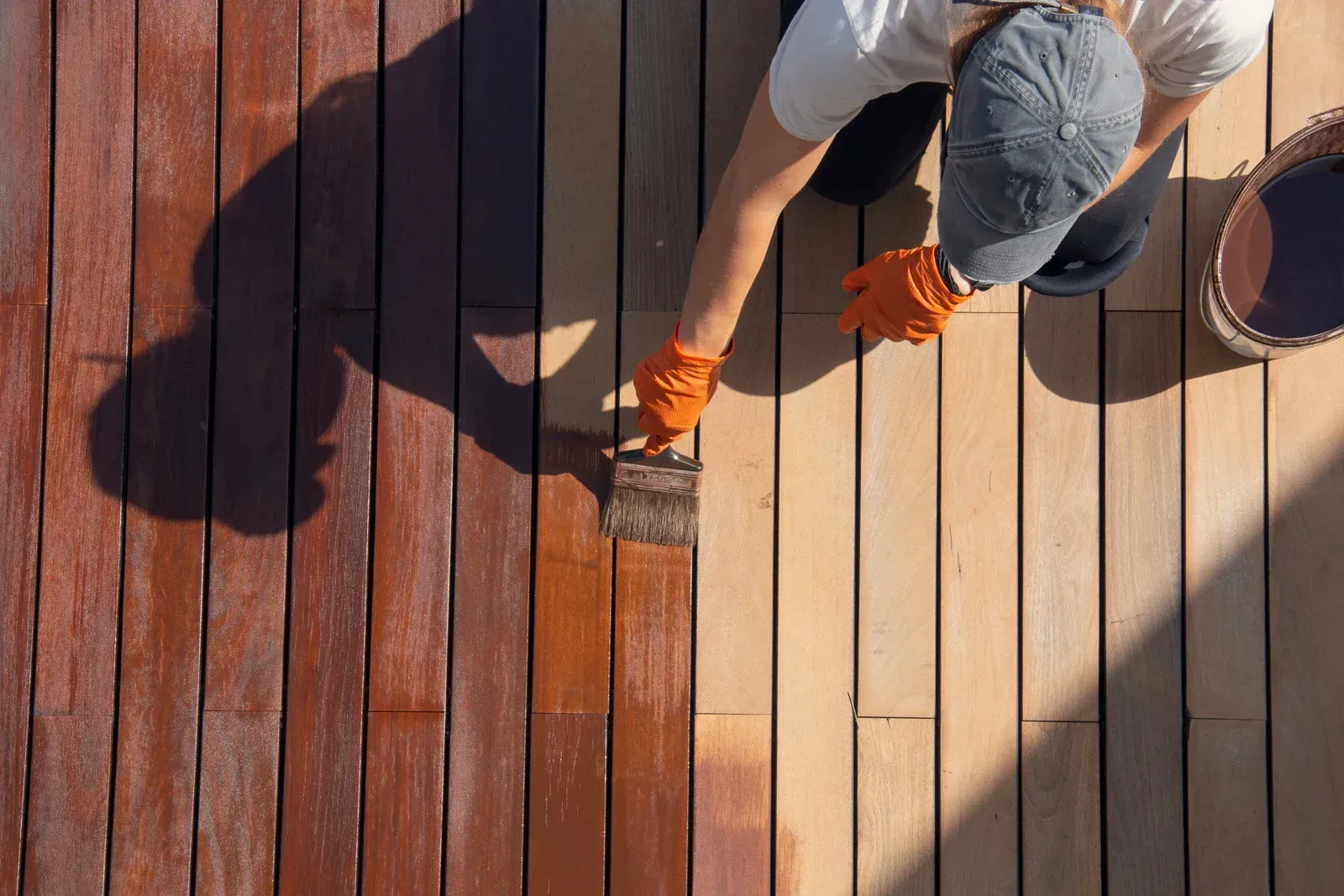
Walking surfaces take the most punishment, so boards are cleaned, brightened, and dried before coating. We back-brush penetrating stain into the grain and end cuts, which soak up moisture fastest and tend to split, then let it absorb fully before foot traffic returns.
02
Fence Staining
Cedar and pine pickets weather unevenly, with the sunniest runs graying first. Spraying followed by back-brushing pushes color into rough-sawn faces and gaps between boards, and we protect plants, grass, and neighboring siding from overspray along the full fence line.
03
Pergola and Patio Cover Staining
Overhead beams, rafters, and posts are hard to reach and easy to neglect until they crack or fade. Ladders, careful masking of roofing and gutters, and drip protection for the slab below let us coat every exposed face, including the tops.
04
Interior Door and Trim Staining
Raw pine and oak doors look richer with a stain that highlights their figure. Pre-stain conditioner limits blotching on softwoods, and wiping away excess pigment after a few minutes keeps the tone even before a clear topcoat seals the work.
05
Staircase and Handrail Staining
Treads, risers, newel posts, and balusters each need sanding to the same grit so color absorbs consistently. Handrails get a durable clear coat on top, since constant hand contact wears through finish faster than nearly any other trim in the house.
06
Cleaning, Stripping, and Sanding
Old failing stain, mildew, and gray weathered fibers must come off before new color can bond. Depending on condition, that means a wood cleaner, a chemical stripper for peeling film, or sanding back to fresh wood, followed by a brightener.
Stain Options for Every Kind of Wood Project
Choosing a stain comes down to how much grain you want to see, how much protection the surface needs, and how often you are willing to recoat it in the years ahead.
01
Transparent Stain
Toner and clear formulas show off nearly all of the wood's grain and color. They offer the lightest UV protection, so horizontal surfaces exposed to full sun typically need fresh coats more frequently than with heavier pigmented options.
02
Semi-Transparent Stain
Here, added pigment shades the wood while still letting grain pattern and texture show through. This middle ground is a favorite for cedar fences and decks because it blocks more sunlight than a toner yet keeps the natural character visible.
03
Solid Color Stain
Opaque like paint but thinner, this option hides grain while letting the texture remain. It covers mismatched boards, older graying wood, and past stain colors well, and it delivers the strongest UV defense of any stain type available.
04
Oil-Based Formulas
Penetrating oils soak deep into the fibers, enrich the color, and generally weather by fading rather than peeling. They take longer to dry and give off stronger odors, but many installers still favor them for decks and exterior lumber.
05
Water-Based Formulas
Acrylic and waterborne stains dry quickly, clean up with water, and release fewer fumes. They resist mildew well and hold color on vertical surfaces, though they can form a film that eventually needs cleaning and light sanding before recoating.
06
Gel Stain
Thick and nondrip, gel products sit closer to the surface instead of soaking in. That makes them ideal for vertical doors, blotch-prone woods like pine and maple, and fiberglass or previously finished pieces where liquid stain would absorb unevenly.
WHO WE ARE
The Grain Tells Us How Much Stain It Needs
Every species absorbs stain differently, so we test a hidden spot before committing to a color. Pine can blotch, cedar drinks heavily, and oak's open grain grabs pigment, which shapes how much product and which conditioner we use. With 10+ years working on homes here, our crew knows when a deck needs stripping versus a basic wash. We schedule work daily from 6:00 AM to 8:00 PM around weather and dry boards. Start the conversation through our contact page whenever you are ready.
Why Choose JGPAINTING88
Quality, Experience & Service You Can Trust
01
Painting Services in Fort Worth
We offer interior, exterior, and cabinet painting for customers in Fort Worth, Irving, and nearby communities. We also provide wood staining and drywall repair to help refresh your space.
02
Flooring & Tile Installation
We install tile, laminate, and luxury vinyl plank (LVP) flooring, along with bathroom tile and kitchen backsplashes. We offer multiple flooring options to suit different rooms and project needs.
03
Cabinet Installation & Framing
We install and paint cabinets, giving you options for updating your kitchen or bathroom. We also provide framing and demolition services for projects that require changes beyond paint and flooring.
04
Daily Availability & Emergency Calls
We’re available Monday through Sunday from 6:00 AM to 8:00 PM and accept emergency calls 24/7. Our roof repair services include patching and leak repairs to address urgent roofing problems.
FAQs - Frequently Asked Questions
How long should you wait to stain a new deck?
Wait until the boards pass the water drop test, which often takes several weeks to a few months for pressure-treated lumber. Kiln-dried after treatment wood can usually be stained sooner because much of the moisture is already removed.
How often should a deck be restained?
Most decks need restaining every 2 to 3 years, with horizontal boards in full sun wearing fastest. At JG Painting 88, we see Fort Worth, Texas decks fade quickly in hot summers, so we suggest looking them over each spring for gray patches.
Is it better to stain or seal a deck?
Stain usually offers better protection because its pigments block UV rays, while a clear sealer mainly repels water. Many modern deck stains now combine both jobs, coloring the wood and sealing it against rain and moisture in a single product.
Should I power wash before staining?
Cleaning is essential, but pressure must stay low to avoid furring or gouging the fibers. A wood cleaner applied with gentle rinsing, followed by drying for at least 24 to 48 hours, sets up the surface for even penetration.
Can you stain over old stain?
You can if the existing coat is the same type, sound, and similar or darker in shade than the new one. Peeling film, mixed oil and water products, or a switch to a lighter color requires stripping back to bare wood first.
Why does my stain look blotchy?
Uneven density in woods like pine, birch, and maple causes some areas to absorb more pigment than others. A pre-stain conditioner or a gel formula helps even out absorption, and sanding marks or leftover glue can also create patchy spots.
What temperature is best for staining wood?
Mild conditions between about 50 and 90 degrees work best, ideally out of direct midday sun. Our crew at JG Painting 88 brings 10+ years of outdoor projects to Fort Worth, Texas yards and often stains early in summer to avoid flash drying.
How long does stain need to dry before walking on it?
Light foot traffic is generally fine after 24 to 48 hours, but furniture and grills should wait longer. High humidity, shade, and cooler nights all slow drying, so following the product label matters more than any general rule of thumb.
Let The Natural Beauty Of Your Wood Shine Through
Wood looks its best when the finish lets you see what it is made of, from the tight rings in a cedar fence to the bold figure in an oak handrail. Stain does that while slowing the gray, splintered decline that sun and rain bring to every board left bare. JG Painting 88 cleans, preps, and stains decks, fences, and interior woodwork in Fort Worth, Texas with color tested first and coats applied to suit the species. Compare your options at your own pace and think about the look you want. When you are ready, send us photos and project details through our online quote form.