

Drywall & Sheetrock Repair in Fort Worth, Texas
WHAT WE DO
Expansive clay soils under many DFW slab foundations swell when wet and shrink during drought, and that movement often shows up first as diagonal cracks running from the corners of doors and windows. JG Painting 88 provides drywall and sheetrock repair in Fort Worth, Texas, from fist-sized holes and nail pops to water-stained ceilings and cracked corner bead. We rebuild the patch, feather the mud wide, and match orange peel, knockdown, or smooth finishes so the repair disappears under paint.
WHERE WE INSTALL
Walls That Shift With North Texas Clay Soil
Homes across Fort Worth, Texas, Irving, Texas, and nearby communities sit on clay that can heave after spring rain and pull back during August heat. Those swings stress the drywall over door headers, along stairwells, and where walls meet ceilings. Older ranch houses with plaster sections, 1990s builds wearing heavy knockdown, and recent tract homes with orange peel finishes all land on our schedule. We repair living rooms, hallways, bedrooms, garages, and bathrooms, focusing on walls that need to look untouched before fresh paint goes on.
Drywall and Sheetrock Repairs We Handle
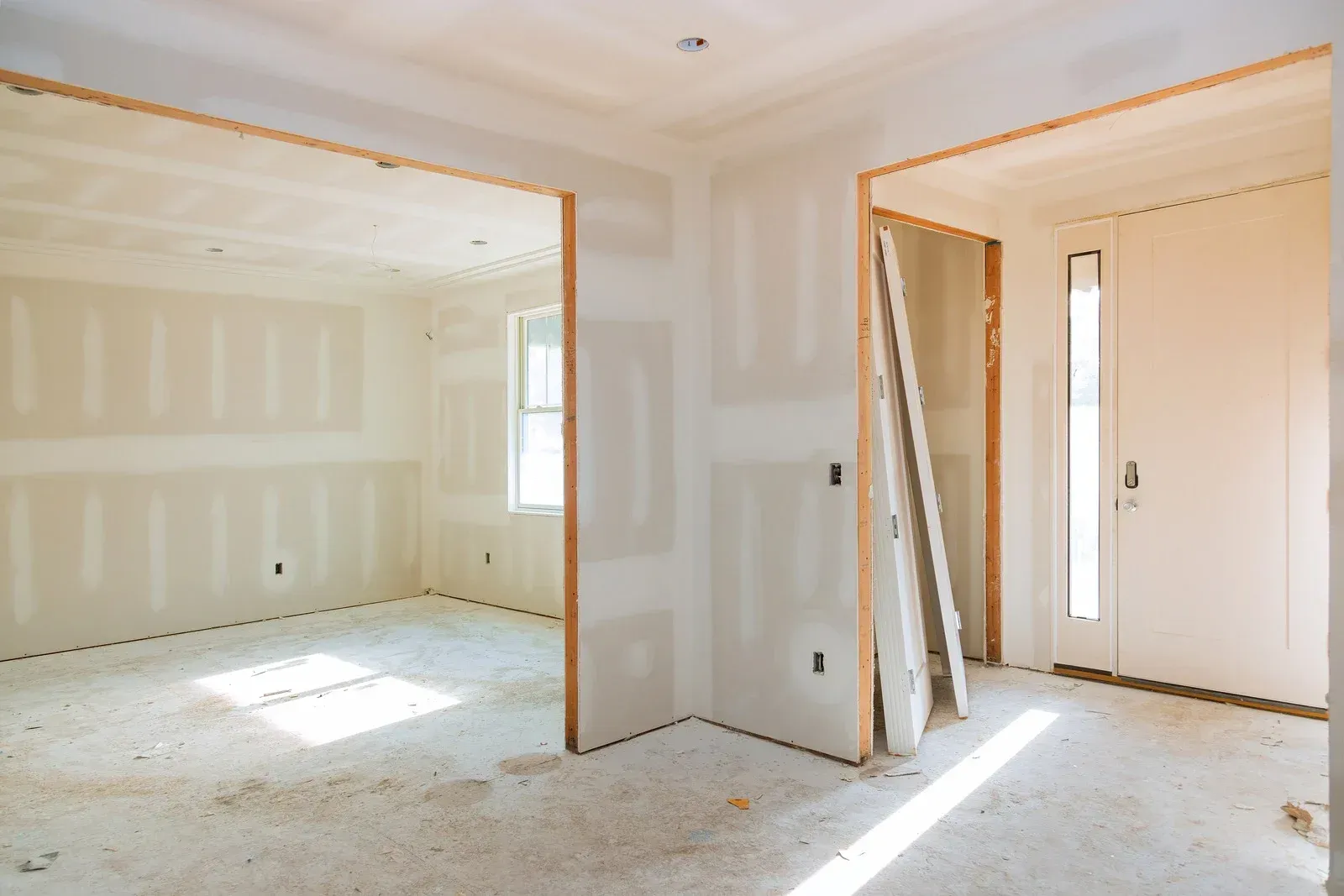
Minor dings and large water-damaged sections need different approaches, so each repair below starts with finding out how far the damage goes and ends with a surface ready for primer.
01
Hole and Dent Repair
Doorknob holes, anchor pullouts, and furniture dents get cut back to clean edges and backed with a patch or blocking. Several thin coats of joint compound, sanded between passes, bring the surface flush with the surrounding board and ready for paint.
02
Crack Repair
Reopening cracks are cut out, filled, and taped with mesh or paper so they stay closed longer. Settlement cracks above doors and windows get reinforced through the joint, though ongoing foundation movement can still bring them back over time.
03
Water-Damaged Drywall Replacement
Soft, stained, or crumbling board comes out back to the nearest studs once the source of the water is fixed. Replacement panels are screwed, taped, mudded, and textured, after checking the cavity, insulation, and framing for lingering moisture.
04
Ceiling Drywall Repair
Overhead patches must fight gravity, so sagging sections get screwed back to the joists or cut out and replaced entirely. Popped tape seams, roof-leak stains, and plumbing access holes all get closed up and blended into the existing ceiling texture.
05
Texture Matching
Orange peel, knockdown, skip trowel, and slick finishes each require a different technique, tool, and compound mix. Spray pressure, compound thickness, and knockdown timing are adjusted on a test board until the patched area blends with the original wall.
06
Corner Bead Repair
Dented or crushed outside corners are cut out and replaced with metal or paper-faced bead. Joint compound is feathered along both faces, restoring a straight edge that survives vacuum bumps and passing laundry baskets for years to come.
Common Causes of Drywall Damage
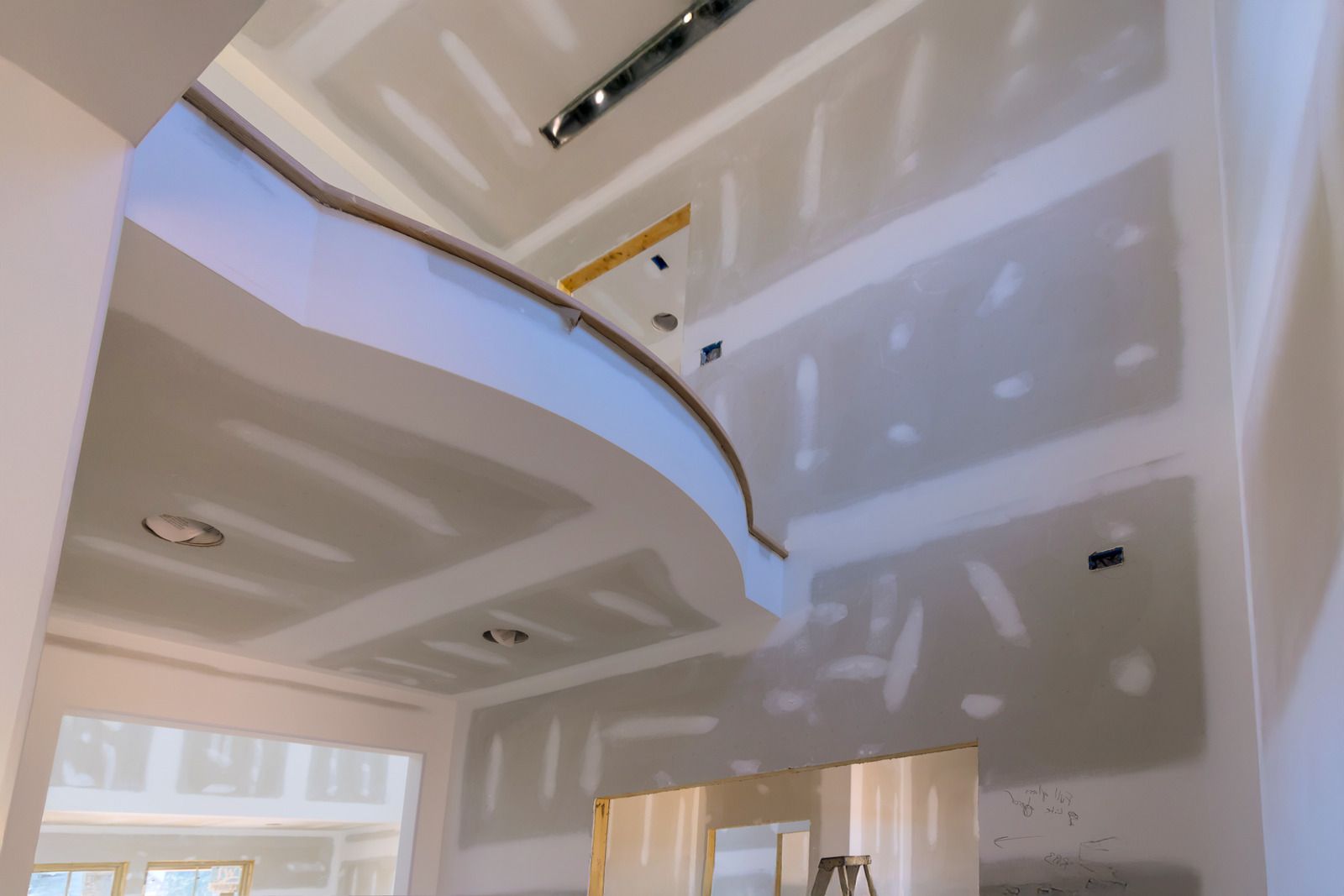
Most wall damage traces back to a handful of everyday sources, and knowing which one caused your crack or stain helps keep the same problem from returning after the repair.
01
Foundation Movement
Clay soils that swell and shrink shift slab foundations, which racks wall framing and opens diagonal cracks at door and window corners. Sticking doors and gaps at baseboards often show up at the same time as the drywall cracking.
02
Plumbing Leaks
Slow drips from supply lines, shower valves, and drain connections soak drywall from behind before any stain appears. Bubbling paint, soft spots near the floor, or a musty smell around a bathroom wall usually point to a hidden pipe problem.
03
Roof Leaks
Water entering through flashing or damaged shingles travels along rafters and decking, then pools on the ceiling below. Brown rings, sagging panels, and split tape seams typically appear on top-floor ceilings and along exterior walls after heavy spring storms.
04
Doorknob Impacts
Without a doorstop, a swinging door drives its knob straight through half-inch drywall. A small round hole behind an entry, bedroom, or closet door is one of the most frequent repairs homeowners request, and it often appears twice.
05
Nail Pops
Framing lumber shrinks as it dries, pushing nail heads outward until they bulge through paint as round bumps. Resetting with drywall screws above and below the pop, then spotting with compound and touching up paint, keeps them from returning.
06
Humidity Swings
Moving from humid spring air to dry, air-conditioned summers makes drywall paper and framing expand and contract. Tape seams can crack, bubble, or lift, especially in rooms with poor ventilation like bathrooms, laundry areas, and unconditioned garages or attics.
WHO WE ARE
Invisible Patches Depend on Matched Texture
We are painters and carpenters, so we patch drywall knowing exactly how it will look once the final coat of paint catches afternoon light. Texture gets tested on scrap board first, then sprayed or hand-applied until it blends with the surrounding wall. After 10+ years of repairs, we know that patience between mud coats matters more than speed. We work daily from 6:00 AM to 8:00 PM. Tell us about the walls that need attention through our contact page to get started.
Why Choose JGPAINTING88
Quality, Experience & Service You Can Trust
01
Painting Services in Fort Worth
We offer interior, exterior, and cabinet painting for customers in Fort Worth, Irving, and nearby communities. We also provide wood staining and drywall repair to help refresh your space.
02
Flooring & Tile Installation
We install tile, laminate, and luxury vinyl plank (LVP) flooring, along with bathroom tile and kitchen backsplashes. We offer multiple flooring options to suit different rooms and project needs.
03
Cabinet Installation & Framing
We install and paint cabinets, giving you options for updating your kitchen or bathroom. We also provide framing and demolition services for projects that require changes beyond paint and flooring.
04
Daily Availability & Emergency Calls
We’re available Monday through Sunday from 6:00 AM to 8:00 PM and accept emergency calls 24/7. Our roof repair services include patching and leak repairs to address urgent roofing problems.
FAQs - Frequently Asked Questions
Why do drywall cracks keep coming back?
Recurring cracks usually mean the wall is still moving from foundation shifts, framing shrinkage, or humidity changes. Taping with mesh and flexible compound helps, but lasting results depend on addressing the movement causing the crack in the first place.
Can water-damaged drywall be repaired, or does it need replacement?
Board that stays firm after drying, with only a light stain, can often be sealed with a stain-blocking primer and repainted. Spongy, crumbling, or moldy drywall should be cut out and replaced once the leak is fixed and the cavity is dry.
Are diagonal cracks in drywall a sign of foundation problems?
Diagonal cracks at door and window corners are a common symptom of foundation movement, especially on expansive clay. Pair them with sticking doors or sloping floors, and a foundation evaluation is worth scheduling before any cosmetic wall repairs begin.
How long does drywall mud need to dry between coats?
Standard premixed joint compound typically needs about 24 hours per coat, longer in humid or cool rooms. Setting-type compounds harden chemically in as little as 5 to 90 minutes, depending on the mix, which shortens repair timelines considerably.
Can you match the texture on my walls?
Yes, JG Painting 88 matches orange peel, knockdown, skip trowel, and smooth walls in Fort Worth, Texas homes. We test spray settings and compound consistency on scrap board first, then blend the texture outward so the patch disappears.
What causes nail pops in drywall?
Lumber shrinkage is the usual cause, as framing dries and pushes nail heads away from the studs. Seasonal moisture changes and nails that missed or barely caught the framing during the original installation, can make pops more frequent and noticeable.
Should I repair drywall before painting?
Always repair first, because paint highlights dents, cracks, and patches instead of hiding them. Patched areas also need primer before topcoats, since bare joint compound absorbs paint differently than the surrounding wall and can leave dull spots called flashing.
How long does a typical drywall repair take?
Most small and medium repairs take 2 to 3 days, allowing time for mud coats, texture, and primer to dry. JG Painting 88 brings 10+ years of experience to every Fort Worth, Texas repair, planning visits around those drying windows.
Make Damaged Walls Disappear Before Your Next Coat Of Paint
Fresh paint cannot hide a bad patch; if anything, a satin finish makes every ridge and flashed spot easier to see. That is why the prep work behind a wall repair matters as much as the color you choose. JG Painting 88 repairs and refinishes drywall throughout Fort Worth, Texas with the same eye we bring to painting, so walls read as one continuous surface from every angle. Whether you have one nagging crack or a ceiling stained by an old leak, you can start with a simple conversation and no pressure. Reach out through our contact page or online quote form, and we will help you plan the repair.